
Blog Posts
Applications of Flexible Piping Systems: Safe and Efficient Solutions for Various Building Types
With the advancement of modern construction technologies, the materials used in piping systems have undergone significant changes. In many projects, flexible piping solutions have begun to replace traditional rigid pipe systems. Flexible piping systems—particularly those used in natural gas installations, heating systems, plumbing, and industrial applications—are preferred due to their ease of installation, high durability, and long service life.
Flexible piping applications not only simplify the installation process but also enhance building safety and reduce maintenance costs. In this article, we will examine in detail the application areas and advantages of flexible piping systems, as well as the solutions they offer for different types of structures.
What Is Flexible Piping?
Flexible piping is a mechanical piping system constructed using pipes, connection fittings, and installation components that possess a certain degree of flexibility. Easier to install than traditional rigid systems, this type of piping saves time during installation and adapts better to structural movements.
Flexible piping systems are widely used in:
Natural gas installations,
Plumbing systems,
Heating lines,
Boiler rooms,
Industrial facilities,
Ventilation systems,
Fire protection systems.
Advantages of Flexible Piping
Flexible piping systems offer significant advantages in many respects.
Easy Installation
Installation time is significantly reduced thanks to flexible pipes and connection components.
This:
Reduces labor costs.
Accelerates project delivery times.
Allows for the use of fewer connection fittings.
Adaptability to Structural Movements
Buildings may undergo minor movements over time due to factors such as temperature fluctuations, vibration, and settling.
Flexible piping systems adapt to these movements, thereby:
Reducing pipe stress.
Lowering the risk of cracking.
Extending the service life of connection points.
Safer Operation
The system becomes safer through the use of high-quality connection components and proper installation techniques.
Loosening caused by vibration is largely prevented.
Long Service Life
Flexible piping systems manufactured from modern materials are:
Corrosion-resistant.
Pressure-resistant.
Capable of providing years of maintenance-free service.
Use of Flexible Piping in Residential Buildings
Flexible piping systems have become quite common in residential projects.
Key areas of application include:
Natural Gas Piping
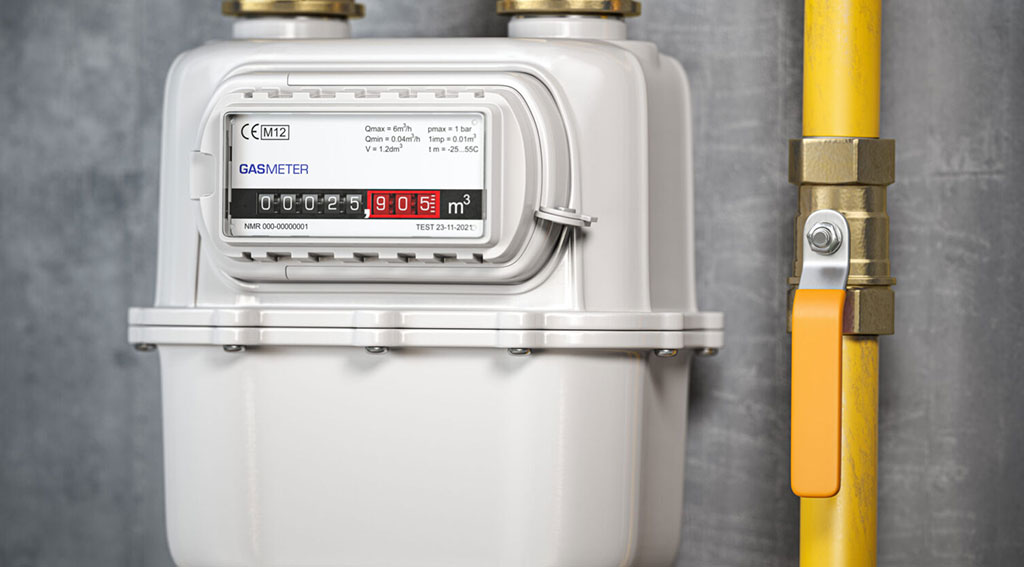
Flexible systems offer the advantage of safe installation for boiler connections and natural gas distribution lines.
Plumbing Systems
Flexible piping used in hot and cold water lines offers advantages such as:
Quieter operation,
Faster installation,
Fewer connection points.
Heating Systems
Flexible solutions used for radiator connections facilitate maintenance and enhance system performance.
Flexible Piping in Commercial Buildings
Piping systems in hotels, hospitals, shopping malls, and office buildings feature much more complex configurations.
In these structures, flexible piping systems:
Facilitate the routing of large-diameter lines.
Accelerate maintenance processes.
Reduce response times in the event of potential malfunctions.
Additionally, they easily adapt to architectural changes within projects.
Use in Industrial Facilities
Factories and production facilities are subject to high temperatures, vibration, and demanding operating conditions.
Flexible piping systems ensure safe operation in:
Steam lines,
Pressurized water systems,
Natural gas distribution lines,
Cooling systems,
Process piping.
They significantly prevent damage to pipelines in machinery subject to intense vibration.
Use in Hospitals and Healthcare Facilities
The uninterrupted operation of piping systems is of great importance in healthcare facilities.
Thanks to flexible piping solutions:
Maintenance times are reduced.
Emergency interventions are facilitated.
Water and natural gas systems operate safely.
Hygiene standards are effectively maintained.
Use in Educational Facilities
Piping systems in schools and universities are subject to heavy usage.
Flexible piping systems are preferred in educational facilities because they offer advantages such as:
Lower maintenance costs,
Quiet operation,
Long service life.
Importance of Pipe Connection Components
High-quality connection components are essential for the safe operation of flexible piping systems.
Key components include:
Natural gas clamps,
Suspension clamps,
Lag screw clamps,
Nut-equipped clamps,
Fixing brackets.
These components ensure proper pipe support and reduce vibration and mechanical loads.
Importance of Professional Installation
Flexible piping systems must be correctly designed and installed by expert teams.
During installation:
The pipe route must be planned accurately.
Support points must comply with standards.
Clamp spacing must be calculated correctly.
Thermal expansion allowances must be considered.
Pressure tests must be conducted thoroughly.
Professional installation ensures the system operates trouble-free for many years.
Regular Maintenance and Inspection
As with any piping system, flexible piping systems require periodic maintenance.
Key points to inspect include:
Pipe connections
Clamps
Suspension systems
Sealing elements
Pressure levels
Insulation condition
Regular maintenance helps prevent potential malfunctions before they occur.
Conclusion
Flexible piping systems have a wide range of applications, extending from residential and commercial buildings to industrial facilities and healthcare institutions. Thanks to their ease of installation, high durability, longevity, and safety features, they are indispensable solutions for modern piping projects.
To ensure these systems operate at peak performance, not only must the pipes be of high quality, but components such as natural gas clamps, suspension systems, lag-screw clamps, and other connection hardware must also comply with international standards. With the right material selection, professional installation, and regular maintenance, flexible piping systems offer safe, cost-effective, and efficient service for many years.